The “Other” in Nineteenth-Century French Automata: Technology, Domestication, and Imperialism
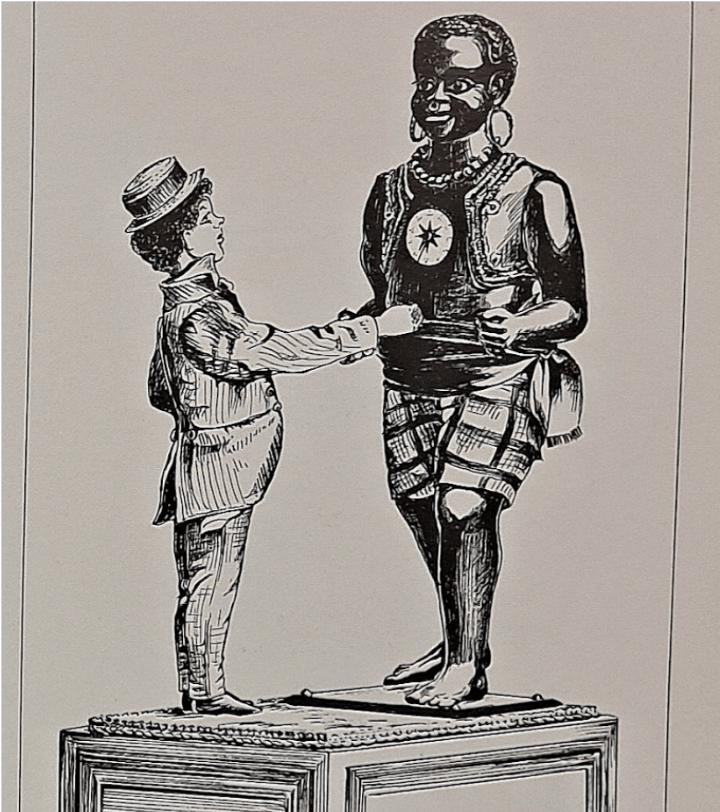
Abstract: Automata – mechanical, self-moving representations of animals and humans – have been studied by historians mainly to account for their popularity in the European Enlightenment, where they influenced conceptions of how matter takes on life and agency in a mechanistic world. However, automata continued to be built well into the nineteenth century, particularly in Paris. Through analyzing and contextualizing the construction and reception of nineteenth-century French automata – from their commercialization to associations with industrialization, domestication, and colonial anxieties – these self-moving machines emerge as a uniquely evocative mode of representation in a French worldview that was quick to embrace a technologically mediated view of themselves and “others.” Through working across histories of science, technology, luxury, labor, colonialism and art, I show why these nineteenth-century automata began to represent the “other” to Europeans as moving sculptures dressed as exotic songbirds, orientalized turcs, and eventually submissive négres. These dynamic objects speak to the commercialization of a particular nineteenth-century European fantasy of domestication and imperialism in a racialized, mechanized world.
 What Will Makes
Leave a comment